Buying in Oldwick, Pottersville, or Mountainville? The House Comes With a Committee
September 3, 2026
September 3, 2026
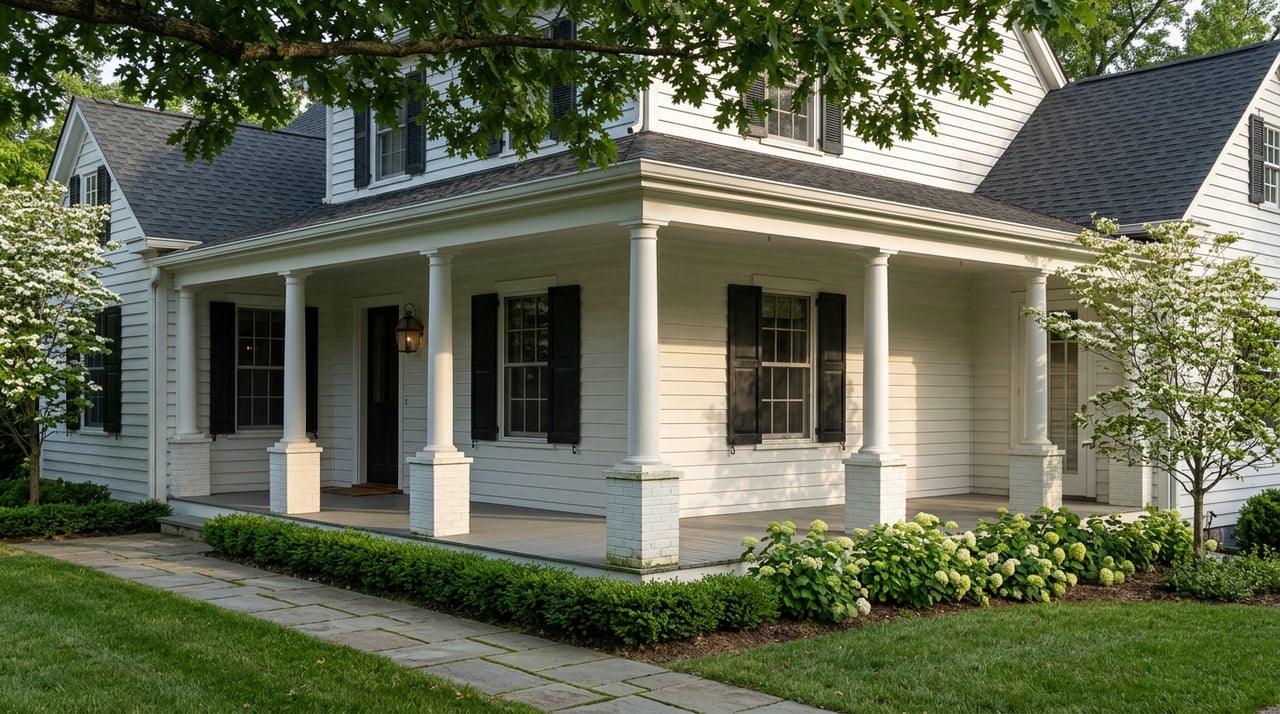
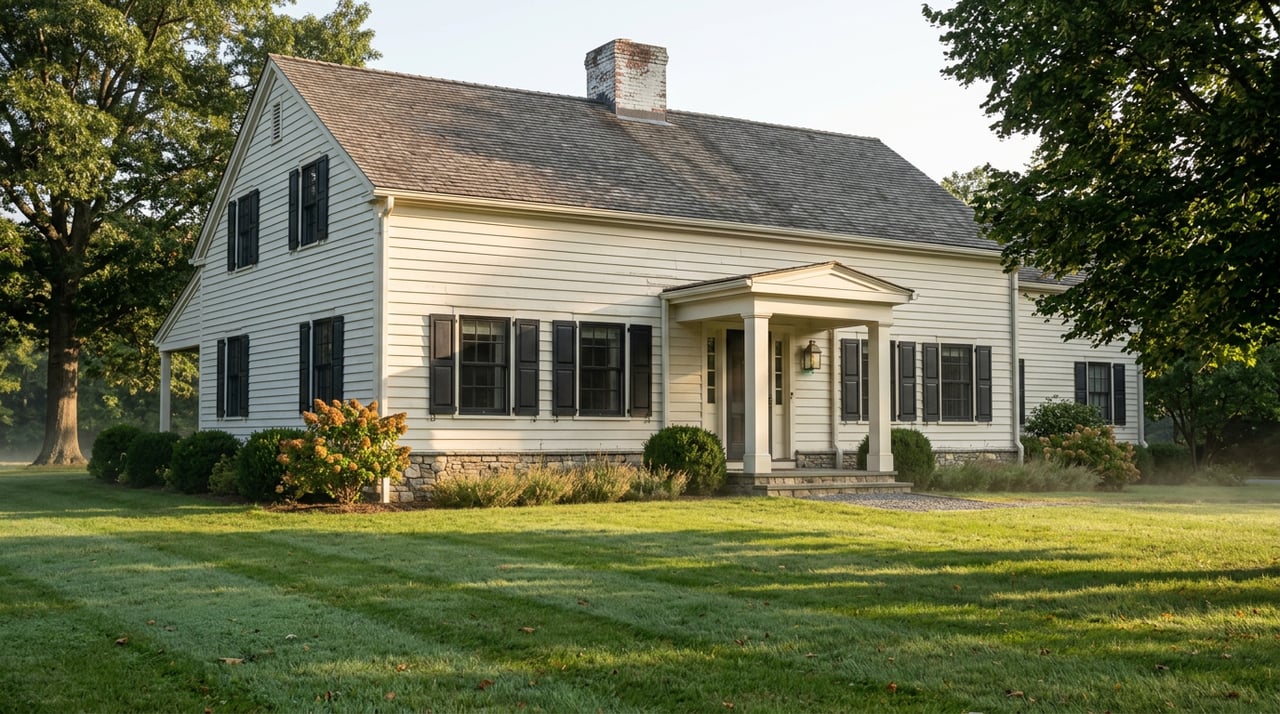
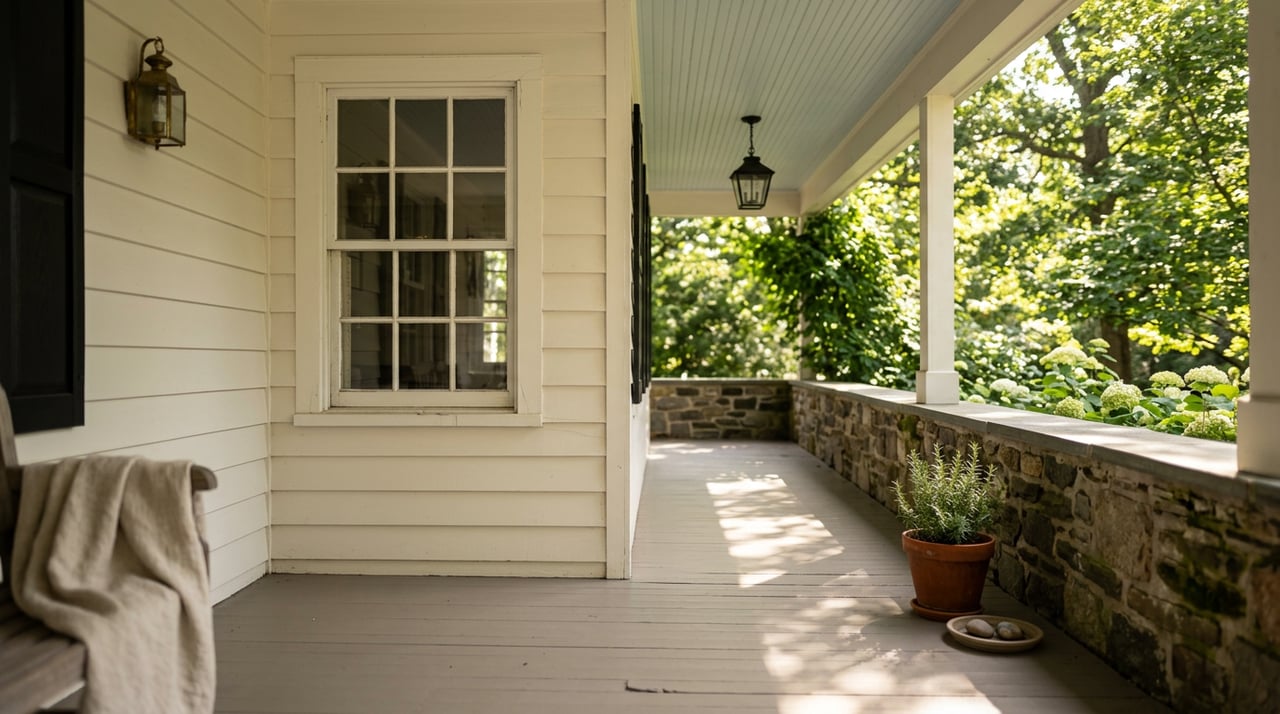
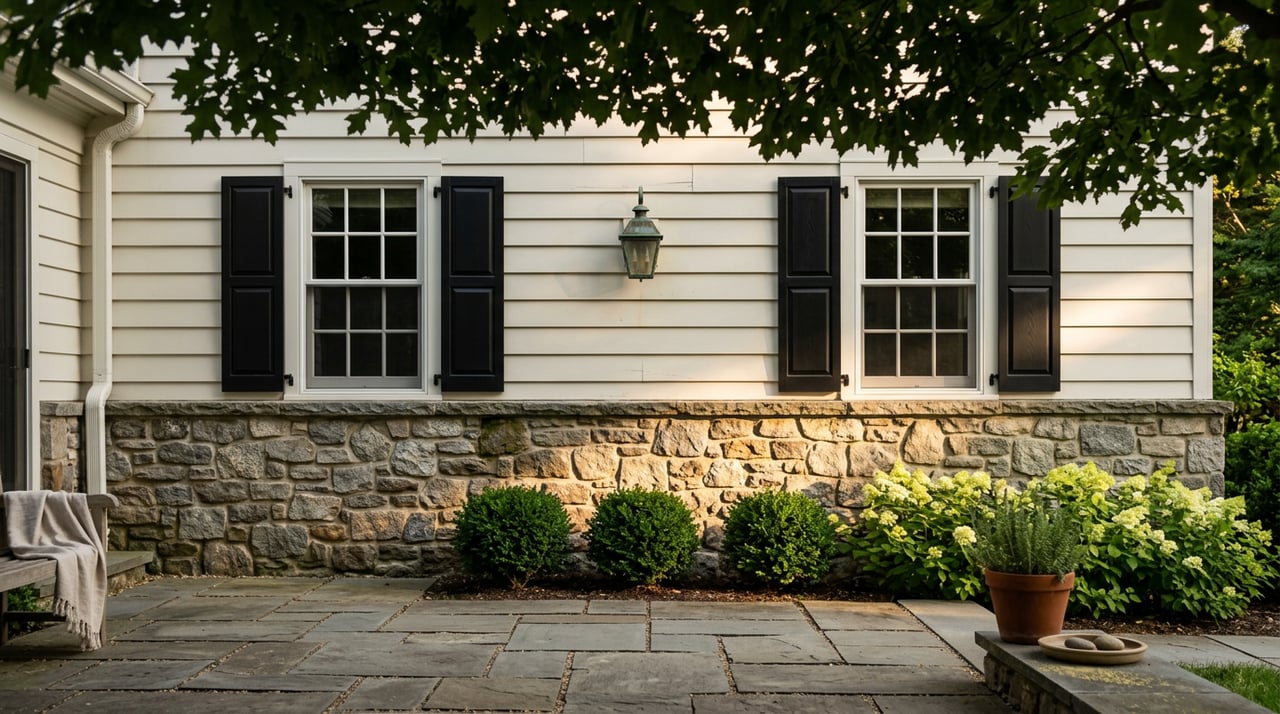
You find the house. Fieldstone foundation, wide plank floors, a porch that has clearly seen two centuries of Tewksbury summers. The listing calls it historic, and it is, in the specific, legal sense that matters more than the adjective suggests. Before you repaint that porch, swap a window, or add a dormer, someone else gets a vote. Not a neighbor. Not an HOA. A township commission that meets once a month and has the authority to make you undo work you already paid for.
This is not a hypothetical. Tewksbury Township maintains three separate historic districts, Oldwick, Pottersville, and Mountainville, each mapped by the township's own Historic Preservation Commission. If a property sits inside one of those boundaries, exterior changes and alterations to the principal building or any ancillary structure require HPC approval, regardless of whether a construction or zoning permit is also needed. The township's own guidance names porches specifically. That single word matters, because a porch is exactly the kind of project a new owner tackles first.
Here is the part most buyers miss when they fall for the charm: the obligation runs with the address, not with the person who signed at closing. You do not inherit a suggestion. You inherit a process.
The distinction that saves buyers the most confusion is interior versus exterior. Nationally, historic preservation commissions consistently draw this same line, and Tewksbury's HPC page follows the pattern: work confined to the inside of the house generally does not require a Certificate of Appropriateness. Repaint the kitchen, refinish the floors, redo a bathroom, and you are working within ordinary building code, not historic review.
Step outside, and the calculation changes. Based on how Tewksbury's own commission describes its scope, and how these reviews typically work across similar districts elsewhere, the kinds of projects that trigger a look from the HPC include:
Routine maintenance, like repainting in the same color or replacing a few boards in kind, typically does not require a fresh certificate. But the moment a material changes, or the appearance shifts even slightly from what stood there before, the safer assumption is that the work needs a look before it needs a hammer.
Oldwick is the largest and best documented of the three. The Oldwick Historic District covers 170 acres along Main Street and the surrounding blocks of Church, King, James, Joliet, and William streets, and it was added to the National Register of Historic Places on November 14, 1988, for its significance in architecture, commerce, and industry. The district includes 127 contributing buildings, 12 contributing structures, and one contributing site. The Kline Farmhouse, individually listed in 1984, also contributes to the district. Zion Lutheran Church, built in 1749 and remodeled in 1831, and the Tewksbury Inn, built in 1800, are among the landmarks that give the village its texture.
Pottersville and Mountainville carry the same designation and the same review requirement, just with smaller footprints and less name recognition outside the township. What matters for a buyer is not which of the three villages a house sits in. What matters is that all three answer to the same commission, the same certificate process, and the same monthly calendar.
A house in one of these hamlets is not a historic-adjacent property with charm as a bonus feature. It is a property with a standing procedural obligation attached to the deed.
Tewksbury's Historic Preservation Commission meets on the fourth Monday of every month at 7:30 PM. That fixed monthly rhythm is the detail that catches new owners off guard. If you close in June with plans to replace porch railings before hosting a fall gathering, you are not working against your own contractor's schedule. You are working against the township's calendar. Miss the submission window for this month's meeting, and the earliest a decision arrives is next month, sometimes later if the application needs revisions.
Across historic preservation commissions generally, once a certificate is issued it typically stays valid for about a year to begin the work, which gives some breathing room after approval. The tighter constraint is getting to that approval in the first place. In most New Jersey municipalities with a historic preservation ordinance, a commission's decision can be appealed to the local zoning board of adjustment, and from there, if needed, to the courts. That path exists precisely because these decisions are binding, not advisory.
A realistic sequence for exterior work on a home in Oldwick, Pottersville, or Mountainville looks something like this:
None of this makes the process unreasonable. It makes it a fixed input, one that a buyer should price into the renovation timeline the same way they'd price in a well test or a survey.
If your home sits in one of these districts and you're preparing to list, the strongest thing you can do is remove ambiguity before a buyer's attorney raises it during attorney review. Pull together records of any exterior work completed during your ownership and confirm whether it went through the certificate process. A file that shows approved changes is a selling point. A file with gaps invites a buyer's inspector, or their attorney, to ask questions you'd rather answer on your own timeline.
Earlier in 2026, the township's own quarter-by-quarter data showed a market that started quiet in January, moved through a transitional February, and became more competitive by March, a pattern consistent with a place where housing stock ranges from historic cottages to full equestrian estates and buyers self-sort by which of Oldwick, Mountainville, or Pottersville actually fits what they're picturing. In a market where inventory gives buyers more to compare, unresolved paperwork on a historic property is exactly the kind of friction that shows up as a request for credit or a delayed closing rather than a clean sale.
Ask the question directly, before you write an offer: is this house inside the Oldwick, Pottersville, or Mountainville boundary, and if so, has any exterior work been done since the seller bought it. Ask whether that work was approved. If you have specific plans, a porch rebuild, replacement windows, an addition, ask what a realistic timeline looks like given the monthly meeting schedule, not what a general contractor assumes based on a standard renovation.
The real cost of buying in one of these districts is rarely dollars. It's time and control, the two things a renovation budget usually assumes you have full command over. Here, you don't, and knowing that before closing is worth more than knowing it after you've already ordered materials.
Does every exterior project need a Certificate of Appropriateness? Not every project, but most that change appearance do. Routine repainting in an identical color or in-kind repairs are typically the exception. Anything that changes material, color, or shape on a visible exterior surface is worth checking before you start.
What happens if work is done without approval? The commission has the authority to require the work be reversed or brought into compliance, which can mean redoing a project at your own expense. Checking first is almost always cheaper than fixing it after.
Does the historic designation hurt resale value? Not based on anything in Tewksbury's market pattern. The designation shapes the renovation process, not the buyer pool. Buyers drawn to Oldwick, Pottersville, or Mountainville are typically looking for exactly the character the district protects.
If you're weighing a historic home in one of these three villages, or trying to figure out what your own Tewksbury property's history means for a future sale, Holly Lippitt can walk through what's actually on file for a specific address and what it means for your timeline. Let's Connect before you fall in love with a project the calendar hasn't approved yet.
Stay up to date on the latest real estate trends.

I am committed to guiding you every step of the way—whether you're buying a home, selling a property, or securing a mortgage. Whatever your needs, I've got you covered.